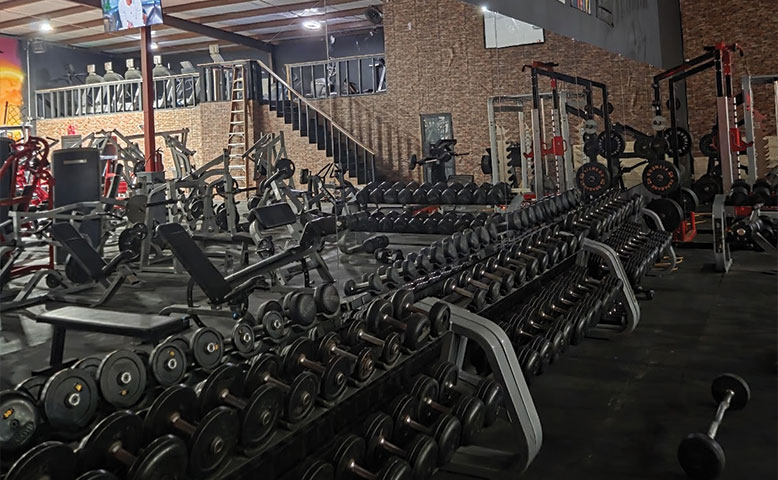
Getting older does not mean slowing down. A good gym routine helps your body do daily tasks with ease. You lift bags, climb stairs, and play with kids without puffing. The gym helps your heart, muscles, and joints operate together like a well-oiled machine. You also sleep better, think clearly, and smile more. The best part is that you may start at any age. With small steps, you build strength, improve balance, and boost endurance. Each session teaches your body to handle stress safely. This article shows simple moves, smart tips, and easy tools you can use right away. Stick with it, and you will feel steady, strong, and ready for life. Small wins add up, and progress comes faster than you expect.
Strong Muscles Keep You Moving Every Day
Strength training is like putting money in a health bank. After about 30 years, most people lose around 1% of muscle each year if they do not train. Lifting weights slows that loss and can even add new muscle. More muscle means an easier time carrying groceries, standing from the floor, and keeping a steady posture. Try two to three strength days each week. Aim for 2–3 sets of 8–12 slow, controlled reps for the big moves: squat, hinge (like a deadlift), push, pull, and carry. Rest 60–90 seconds between sets. Use a weight that feels hard by the last two reps, but still safe. Muscles respond to tension. When you challenge them often—just a little more each week—they grow stronger, and you feel younger doing normal life.
- Big lifts to learn: goblet squat, hip hinge, row, push-up, loaded carry
- Start light, nail form, then add small weight increases
Cardio Training Supports A Younger, Healthier Heart
Your heart is also a muscle, and it likes to work out. Cardio improves VO₂ max, a measure of how well your body uses oxygen; higher VO₂ max links with longer, healthier life. Keep it simple with “Zone 2” cardio: move at a pace where you can talk in short sentences. A good rule of thumb for your maximum heart rate is 220 minus your age. Zone 2 is about 60–70% of that number. Try brisk walking, cycling, or rowing for 20–40 minutes, three to five days a week. Mix in short, faster efforts once or twice a week, like eight rounds of 30 seconds fast, 90 seconds easy. Cardio helps lower resting heart rate, improves blood flow to your brain, and supports a better mood. Over time, you will climb stairs with less huffing and enjoy longer walks without getting tired.
- Weekly goal: 150+ minutes easy cardio, 1–2 short speed sessions
- Tip: You should feel worked, not wiped out
Flexible Joints Help You Stay Active Longer
Stiff joints make simple moves feel hard. Gentle range-of-motion work keeps your joints nourished with fluid and keeps the tissues around them springy. A good warm-up could be five minutes of easy cardio, then dynamic moves: arm circles, leg swings, and hip circles. After training, hold simple stretches 20–30 seconds each for tight spots like hamstrings, chest, hips, and calves. Think “long, easy breathing” rather than forcing a deeper stretch. Over time, flexible muscles share load better, which protects knees, hips, and shoulders. Add mobility “snacks” during your day: stand up each hour, roll your ankles, reach overhead, and twist gently. Pair mobility with light strength—like a slow lunge with a pause—to teach your body control in the new range so it lasts when you move fast or carry weight.
- Daily five: ankle rocks, deep squat sit, cat-cow, chest doorway stretch, hip flexor stretch
Balance Drills Reduce Slips, Trips, And Falls
Good balance keeps you on your feet. It trains your eyes, inner ear, and the tiny sensors in your feet and legs to work together. Start simple: stand on one leg near a wall for safety. If it feels effortless, close one eye or move your head from side to side. Try heel-to-toe walks along a line on the floor, and add light carries like a farmer’s walk to teach stable steps under load. Mini hops in place build quick feet. Two or three short sessions a week make a big difference. Better balance reduces the chance of falls, which is one of the biggest risks as we age. It also helps in sports, hiking, and even moving around a busy kitchen.
Try this three-step drill:
- Hold: One-leg stand, 30 seconds each side
- Walk: Heel-to-toe for 20 steps
- Load: Light carry for 30–60 seconds
Smart Training Plans: Sets, Reps, And Progression
A plan turns “exercise” into results. Use progressive overload: make one small change each week—add 2.5–5% weight, one extra rep, or one more set. Keep an eye on effort using the RPE scale (Rate of Perceived Exertion) from 1–10. Most sets should feel like a 7–8—hard, but you could do one or two more reps with good form.
Here’s a simple three-day plan:
- Day A: Squat, push-up or chest press, row
- Day B: Hinge (deadlift pattern), overhead press, lat pulldown
- Day C: Lunge or step-up, dumbbell bench, cable or band row
Finish each day with 10–15 minutes of easy cardio and a few stretches. Write down your weights and reps. When a set feels too easy for two sessions in a row, bump the challenge a bit. Small, steady steps beat random hard days every time.
Fuel, Water, And Sleep For Better Recovery
Great training needs great recovery. Muscles grow during rest, not during the lift. Most evenings, you should try to get 7 to 9 hours of sleep. Try to keep your room dark, cool, and quiet, and set a bedtime. Drink water all day long. A simple test is to look at your urine; it should be clear or pale yellow. On training days, a glass before the gym and a glass after helps. Food should support your work: include protein at each meal to repair muscle (think eggs, yogurt, chicken, beans, or tofu). For each meal, a simple rule is to eat one to two palm-sized servings of protein. Add healthy fats, entire grains, and plants with lots of color. A snack with protein and carbs within two hours after training helps refill energy. Salt and potassium from foods like bananas and dairy help you keep fluids balanced, especially in warm weather.
Simple Metrics To Track Real Progress Weekly
Numbers keep you honest and motivated. Write down your workouts in a small notebook or app.
Track:
- Load and reps for your main lifts
- Walking minutes or step count
- Resting heart rate in the morning
- Waist-to-height ratio (aim for under 0.5)
- Grip strength with a cheap hand dynamometer or timed hang
Look for trends, not single days. If your resting heart rate is rising for a week and your legs feel heavy, take an easier day. If your rows, squats, and carries are climbing slowly, you’re on track. A monthly “checkpoint” helps: time a one-mile walk, or count how many sit-to-stands you can do in 30 seconds with safe form. When the numbers improve, your body is getting younger on the inside—more engine, better brakes, and smoother steering.
Make The Gym A Friendly Daily Habit
Habits beat willpower. Set a time on your schedule to do it again and pack your bag the night before. Use the “just 10 minutes” rule: show up, do the warm-up, and decide if you’ll continue. Most days you will. Ask a coach to check your form on the big moves; one or two cues can save months of guessing. Keep your first month simple: repeat the same handful of lifts so you can measure change. Join a small class or bring a friend; people help people show up. Lay out a backup plan for busy days, like a 15-minute circuit of squats, rows, push-ups, and a brisk walk. Progress comes from consistency, not perfection. Miss a day? That’s normal. Return the next day and keep going.
Conclusion: Start Today And Stay Younger Longer
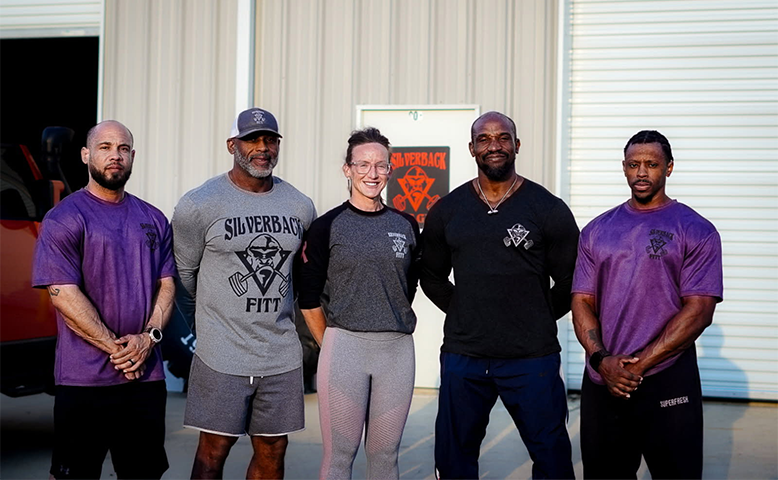
Staying young is about steady choices, not luck. Lift to keep muscle, move to help your heart, stretch to free your joints, and practice balance to stay steady. Track a few numbers so you see real wins. If you want friendly coaching and a safe plan, Silverback Fitt Gym LLC is the best gym to guide you. Our team can help you learn solid form, choose the right weights, and build a schedule you can stick with.