Stepping on stage can feel scary. Bright lights, eyes on you, and a fast heartbeat can make even simple moves feel hard. A good coach helps you turn that shaky energy into steady action. How? By giving you a plan, clear steps, and steady support. You practice the right things, in the right order, at the right time. You also learn simple tools to calm your body, so your mind can think clearly. In this blog, you will see five ways coaching builds your confidence on stage. Each idea is easy to follow and based on simple science. Use these tips, and your next show will feel less scary and far more controlled. Small changes add up fast on stage.
Clear Goals Turn Nerves Into Focused Action
When you feel unsure, your brain jumps from one worry to the next. Coaching replaces that noise with clear goals. Clear goals tell your brain what to do first, next, and last. One method is SMART goals: Specific, Measurable, Achievable, Relevant, and Time-bound. In plain words, you pick a single skill, set a number, set a deadline, and track progress.
For stage work, that might look like this:
- “Hold front pose for 30 seconds without foot shift.”
- “Hit three poses in 20 seconds while keeping a relaxed face.”
- “Speak at 120–150 words per minute in the mic test.”
Micro-goals help too. You break a big goal into small steps that you can finish in one session. A coach also sets “practice intensity” using a 1–10 effort scale, called RPE (Rate of Perceived Exertion). Aim for RPE 6–8 on most days. This is hard enough to grow, but not so hard that form falls apart. With a goal, a number, and a plan, nerves turn into useful effort.
Deliberate Practice Makes Skills Stick Under Pressure
Not all practice helps. Random reps give random results. Deliberate practice is different. You focus on one tiny piece of a skill, get quick feedback, and repeat short sets with rest. This matches how the brain wires habits: short, sharp reps with space in between. The “spacing effect” shows that rest between sets helps memory stick longer.
Try this simple drill plan:
- 3×3 Method: pick three drills, do three short rounds.
- 90/90 Rule: 90 seconds of work, 90 seconds of rest.
- One Cue Only: hold one focus cue per round, like “chin up” or “heels rooted.”
Video review is your friend. Record each round, watch right away, pick one fix, and run it again. Keep a tiny log: date, drill, cue, and a 1–5 confidence score. Over the days, you will see the line move up. This is not luck; it is a feedback loop. Your coach keeps the loop tight, so gains arrive faster and last longer when the crowd is loud.
Breath, Posture, And Voice Control Your State
Your body state drives your mind state. When breath is shallow, the heart races, and hands shake. When breath is slow and deep, the body shifts into a calmer mode.
A coach teaches simple, science-based tools:
- Box Breathing: inhale 4, hold 4, exhale 4, hold 4. Do 5 rounds.
- 6–8 Breaths Per Minute: This pace often boosts heart rate variability, which links to calm control.
- Posture Check: feet rooted, knees soft, ribs down, crown tall. This frees the diaphragm so air flows better.
- Voice Warm-Up: hum for 60 seconds, then count 1–10 at a steady beat.
Add a pacing tip: aim your speaking pace at 120–150 words per minute. Most phones can record and show this. If you use a sound meter app, practice at 70–75 decibels so your voice carries without strain. For stage walking and posing, breathe out slowly on the move. A long exhale lowers tension and smooths your steps. These small body switches cue your brain to feel safe, clear, and ready.
Feedback And Data Replace Guesswork With Clarity
Guessing keeps you stuck. Data moves you forward. A coach turns feelings into numbers, then numbers into changes you can trust.
Here are simple ways to track:
- Timing: hold poses for set seconds; trim transitions with a stopwatch.
- Angles: check shoulder, hip, and foot angles on video stills.
- Symmetry: mark foot spacing on tape lines to keep the stance repeatable.
- Face Relaxation: rate “smile tension” from 1–5 after each pass.
Use a quick score sheet. For each run, log: “stage walk 8/10, quarter turns 7/10, presence 6/10.” If the same box stays low for a week, that is your next drill. Judges often look for clean lines, smooth turns, and control. When you track the pieces that build those results, your work hits the target. Over time, the sheet shows a clear trend. Confidence grows when proof grows. You are no longer asking, “Was that good?” You can point to numbers and say, “I am improving here, and here is the next fix.”
Simulated Stage Rehearsals Build Calm, Real Confidence
Practice should look like the show. Simulated rehearsals copy the real setting so your brain learns, “I have done this before.” This lowers stress chemicals on the big day.
Build low, medium, and high stress runs:
- Low: quiet room, normal lights, one friend watching.
- Medium: brighter lights, louder music, and the coach gives time calls.
- High: bright lights, loud mix, small crowd, full stage order.
Use a simple checklist before each high run:
- Tan, suit, heels, and jewelry fit check.
- Pump-up plan set: bands, reps, and a timer.
- A walk path taped on the floor with clear turn marks.
- Smile cue on the first step; long exhale on each pose.
- Exit cue: “eyes up, shoulder back, calm turn, measured step.”
Do two high runs per week in the last month. Keep your last practice two days before show day to let the body rest. This schedule keeps skills fresh but avoids last-minute fatigue. By show time, your body knows the steps and your mind trusts the plan.
Step On Stage Ready With The Right Help
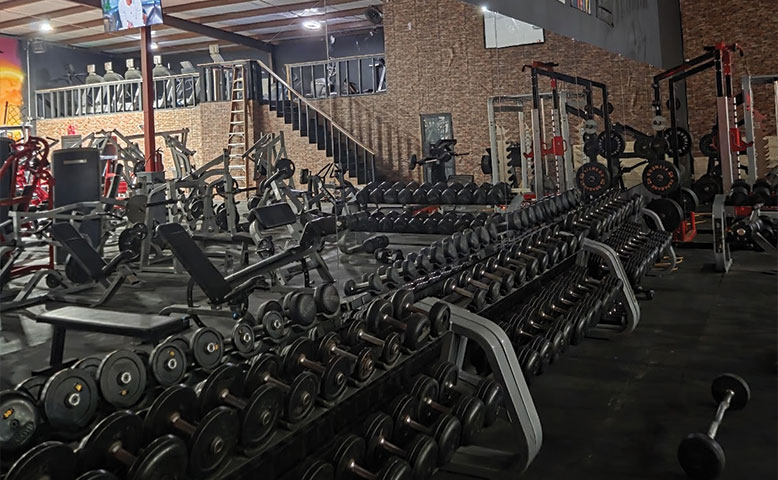
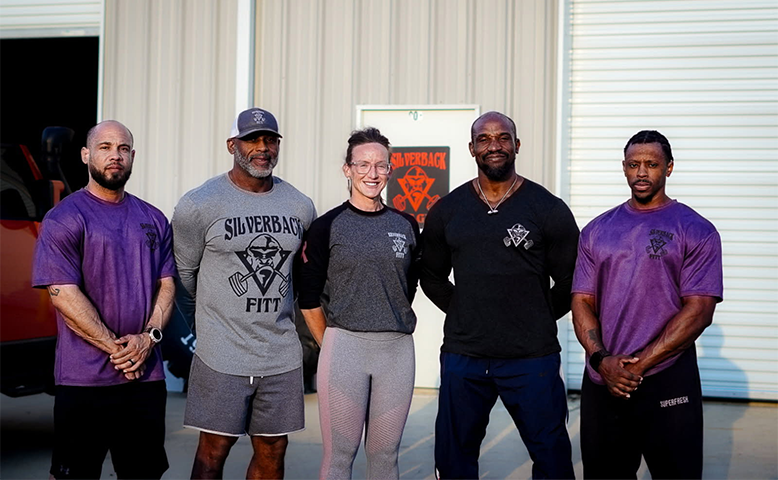
Coaching shines when you are close to your goal and need that last push. With clear goals, smart drills, steady breath, real data, and full rehearsals, you carry calm into the lights. If you plan to compete in bodybuilding, work with coaches who know poses, stage flow, and peak week prep. Silverback Fitt Gym LLC offers coaching for bodybuilding shows and can guide your stage plan from start to finish. They keep your practice focused and simple, so you step on stage ready and proud.